Irrigation hardly ever stops working at one time. It deteriorates in little manner ins which sneak up on you, a spot of worried grass near the driveway, a zone that takes for life to kick on, a faint hiss under the grass where a lateral split wastes water you never ever see. By the time the water bill leaps or the city tags you for runoff, the question shows up: fix what you have, or draw it out and begin again. The ideal call relies on age, layout, local water stress, and how much time you want to invest in continuous lawn sprinkler upkeep. I have actually strolled numerous buildings with this specific fork in the road, and the sincere response is that repair service and replacement each have minutes when they are the smarter play.
How sprinkler systems age in the real world
Different components live various sizes of time. With practical care, a well developed system lasts 15 to 25 years, but that typical hides a great deal of variation.
Rotors and sprays see consistent grit and pressure cycles. In typical water, a spray head body might go 8 to 12 years before its seals obtain sloppy and the cap strings split. Rotors have a tendency to last longer, 10 to 15 years, yet their internal generators use, which gradually minimizes throw and protection. Nozzles can clog in a single period if you have heavy debris or if the last aeration pushed dirt into the caps. Valve diaphragms, the slim rubber that actually holds water back, often stop working in between years 7 and 12. You see a weeping zone that oozes after shutoff, or an area that will certainly not open without coaxing the solenoid.
Pipe life expectancy depends on material, pressure, and dirt. Set up 40 PVC stands up 25 years or even more in secure dirts, yet in locations with large clay or tree roots, side lines split along glued joints as the ground steps. Black polyethylene from the 90s gets fragile under constant sunlight at risers and has a tendency to divide at insert fittings if the initial installer missed the proper stainless clamps. Galvanized steel, blessedly uncommon in later installs, clogs with corrosion and is unpleasant to repair cleanly.
Controllers and circuitry live longer than people anticipate if mounted appropriately. A years prevails, two decades not unusual. Issues occur from inadequate splices that corrode below ground and from lightning that jumps with inadequately grounded systems. When a controller clock maintains time however arbitrary zones fall short in turning, suspicious circuitry prior to you criticize the clock.
None of these numbers are warranties. Water chemistry, freeze cycles, and installer options tilt the odds. Which is why the very best decision is not about a single damaged component, it has to do with the system's health as a whole.
Diagnose the trouble like a pro
Before you price a new sprinkler setup or order a truck filled with heads, take a self-displined appearance. The objective is to separate isolated failings from systemic issues. I run the system area by zone, walk the spray courses, check static and vibrant stress, and placed hands on the shutoffs. I additionally look at the landscape itself. That spot of dry turf may have absolutely nothing to do with irrigation if the dirt under it is compressed like an auto parking lot.
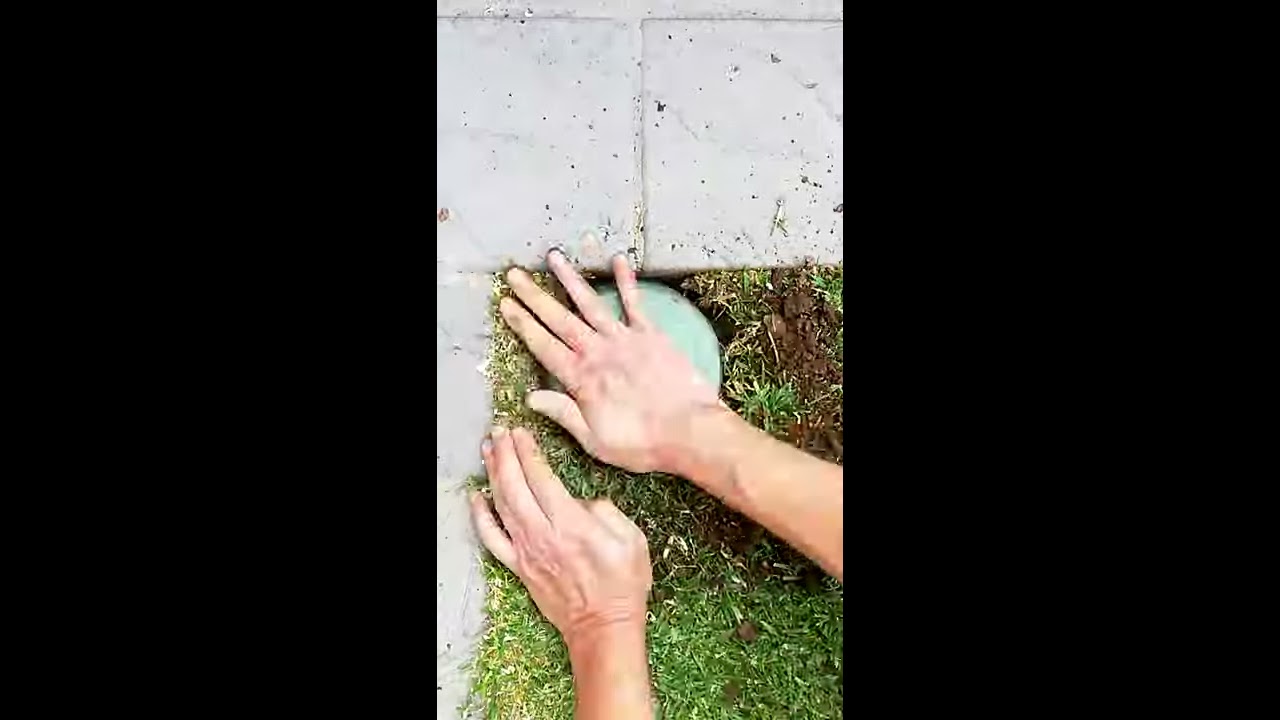
Here is a fast, high worth check that property owners can do prior to requiring sprinkler fixing:
- Confirm water pressure at a hose pipe bib with a $15 scale. Search for 50 to 70 psi static at the house for the majority of property systems, or examine the style spec if you have actually one. Run each area for 2 to 3 mins and see head turn up height, arc, and overspray. Heads that barely rise or haze heavily signal stress problems or used seals. Open 2 or three valve boxes. Search for crying water after areas shut down, sandy water in the box, and fragile cable entwines. These hint at shutoff or side leaks. Note timing problems. If the controller reveals power however a zone never terminates, exchange the suspicious zone's cord onto a recognized great terminal. If the problem complies with the wire, it is not the controller. Compare turf color throughout head patterns. Plain triangulars in between heads or eco-friendly donuts around each head suggest inadequate head to head coverage or mismatched nozzles.
Those five checks tell you 80 percent of what you need. You will certainly still need a shovel or a cord tracer for some issues, but you will make smarter selections after this walkthrough.
The mathematics: repair price vs long-term efficiency
I usually make use of a 50 percent guideline: if a repair work runs more than half the expense of a like for like substitute and the system is previous midlife, favor substitute. However the real calculus is bigger than one invoice. Water expense, plant wellness, and future work all matter.
An example assists. Claim you have a 10 area grass system, primarily sprays, constructed 15 years ago with non stress regulated heads. You invest $600 each year on water for watering at existing prices. The system misting at peak hours wastes 15 to 25 percent. If you retrofit each head with pressure managed bodies and brand-new matched nozzles, plus replace shutoff diaphragms, you could spend $1,800 to $2,400 partially and labor. Your water costs drops by 10 to 20 percent based on stress and wind conditions. In two to four years, you recover cost, and you now have cleaner protection and fewer call backs. If the system pipes are sound and the design spacing was good, that retrofit defeats a complete replacement costing $6,000 to $10,000 in many markets.
Flip the manuscript. If the heads are mismatched vintage, lateral lines divided every couple of months, valves are initial and half icy, and areas overlap like spaghetti, the surprise costs accumulate. You pay for duplicated digs, sod patches, and greater water. In those situations, a clean slate saves you money and headache within 3 to five years. I have actually pulled systems where a home owner invested $1,200 on bit-by-bit repairs over two periods, then still paid for a $9,000 replacement. They could have quit the bleeding much earlier.
Do not forget the discounts. Several cities provide $2 to $4 per head to convert to push regulated bodies and $50 to $100 to relocate from a standard clock to a WaterSense labeled smart controller. On a 50 head system, that credit score can cover a chunk of your retrofit. Utilities change programs regularly, so check current offerings prior to you settle scope.
Technology leaps that relocate the needle
If your system predates pressure controlled sprays or rotors, you are watering at a downside. Those integrated in regulatory authorities lower misting, which keeps droplets big sufficient to land rather than drift. On sites with 70 psi supply, I have seen visible haze go away after a head body change alone. Matched rainfall nozzles, one more renovation, stop the timeless trouble where a 90 degree arc throws one quarter of the water of a 360 degree arc when they should use at the very same rate.
Smart controllers have additionally matured. Early models were newfangled, hard to set up, and no far better than a well tuned manual timetable. Existing WaterSense classified controllers, when matched to correct area data and a reputable climate feed, trim 10 to 30 percent from use without depriving plants. They are not magic. If your heads are clogged and the coverage is poor, a smart clock will just sprinkle less badly. Yet combined with audio equipment, they link the guesswork.
Drip conversion is a bigger action. Converting hedge beds and narrow side lawns to low volume drip gets rid of overspray on hardscape, lowers illness on foliage, and accommodates mulch changes. If your system frequently sends out water onto pathways or your hedges reveal leaf place from overnight spray, a partial conversion can validate a more comprehensive substitute scope.
Water top quality, soil, and the hidden variables
A country property on a well with 40 to 45 psi and a high mineral load will mature in a different way than a city lot at 80 psi with chlorinated water. Hard water fouls nozzles and eats rubber seals faster. I have actually drawn heads with calcified risers that might not withdraw, which brought about mower decapitation and even more repairs.

Soils matter also. Sandy loam approves faster precipitation. Clay becomes a mirror and sends your water downhill unless you cycle and soak. If your existing system was never ever tuned to dirt intake rates, it might reveal chronic drainage that a house owner errors for a leak. Switching to lower rainfall rotors or multi stream nozzles, or https://charliebyvb789.readspirex.com/posts/do-it-yourself-vs-professional-lawn-sprinkler-installment-what-you-required-to-consider simply transforming runtimes to shorter cycles, can bring back control. Yet if the spacing is incorrect, no nozzle modification will treat scalloped stripes of stress that originated from heads too far apart.
Trees offer an unique difficulty. Shutoff boxes under roots end up being archaeological digs. Lateral lines crushed by sluggish root stress leak without apparent surface area indicators. In root hefty lawns, I often promote for re routing runs and including swing joints with more charitable arcs to offer the system some flex. When a layout combats a mature oak, replacement is the moment to be sincere and revamp around reality.
Common repairs that still make sense
Not every trouble is a teardown signal. Some fixes are modest and durable.
A cracked spray body is a fast swap, typically $12 to $25 partly and 15 mins of labor per head. A clogged up nozzle can be gotten rid of or replaced for a few dollars. A blades leaking from the wiper seal typically accepts a seal package. If the canister is split at the threads, replace the body. A stuck valve generally requires a diaphragm and springtime package, $15 to $30, and you gain numerous even more years. Solenoids fall short occasionally, and at $15 to $25 each, they are not spending plan killers.
Lateral line leakages determined in soft spots can be repaired with couplings or new areas. If you locate yourself fixing the very same run twice in a season, broaden your dig. Poor bed linens or a misaligned adhesive joint further down might be setting you up for repeats. For controller problems, if the screen is dark or buttons fall short, swap the clock. If areas drop arbitrarily and the controller examinations well, go after wire splices. Changing old twist on wire nuts with correct gel filled up adapters pays dividends.
These are the sort of sprinkler repair work jobs that prolong system life without sinking money into negative bones. If your system layout is otherwise sound, doing a round of valve kits and head body upgrades can include a decade.
Signs that replacement is the smarter call
I try to find patterns. When three or more of these problems appear together, I quit advising bit-by-bit work.
- Mixed, incompatible head kinds on the same area that cause obvious over and under watering, along with spacing also wide to take care of with nozzles alone. Chronic pipeline failures across multiple areas, especially in older poly or superficial hidden lines within root zones. Obsolete or unsafe backflow settings up, missing vacuum cleaner breakers, or systems that do not fulfill existing code clearances. Serious design imperfections, heads blocked by fully grown plants, heads splashing frameworks and windows, or poor zoning where sunny turf and dense color share the same schedule. Major landscape changes, such as changing large grass locations with beds or hardscape, that make the original design irrelevant.
On one residential property, the property owner had a twenty years old system with sprays spaced at 18 feet throwing 15 foot nozzles, and blades blended in for the corners. The shutoffs were hidden under roots, and the controller had only 6 stations running ten areas via wire nuts and wishful reasoning. Yes, I can have nursed it along. But every fixing risked another downstream failure. We replaced with stress regulated sprays at real head to head spacing, separated sunlight and shade right into unique zones, and converted shrub beds to trickle. The water expense dropped by 28 percent in the first summer, and service telephone calls went away for two years except for seasonal tuning.
Timing your choice and phasing work
If you choose replacement, schedule it right. Spring installs allow you tune insurance coverage before peak warmth. Fall functions well in cozy climates when demand goes down, and sod fixings root easily. Summer season is frequently the least hassle-free time to interrupt watering, but occasionally a system requires your hand.
Phasing can bridge spending plan restrictions. Start with valves and manifolds if the existing ones are failing, after that rebuild heads and laterals zone by area. Use a controller with growth capacity, and document each phase with images and as builts. If you plan to include a yard or a patio area next year, design sleeves and extra area ability currently to prevent saw cutting later.
Codes, backflow, and the unglamorous details
Every system have to shield the potable supply. If you draw from city water, a backflow preventer is not optional. Air spaces are for tube ends. For in ground systems, atmospheric vacuum breakers are common in some areas, and stress vacuum breakers or decreased stress settings up are required in others, specifically where plant foods or chemicals could enter. If your existing arrangement hides an old antisiphon valve listed below quality, it is noncompliant and dangerous. Substitute is the moment to fix this, even if your immediate problem is a damaged head.
Many municipalities likewise require authorizations for new sprinkler installation and in some cases for significant valve manifold work. Insurance coverage and home sales can bring these concerns to light. An excellent service provider understands your local code, sets proper elevations for the backflow, protects or drains pipes where cold occurs, and draws authorizations when called for. This is not red tape, it is public health.
Choosing a service provider and obtaining apples to apples bids
Not all proposals are equal. I request for clear matters of heads by type, version of controller, method of connection for wire splices, and a map or tale. Vague proposals that assure a great green lawn without information often tend to swell later.
Use this fast bid contrast checklist to stay clear of shocks:
- Confirm head bodies are pressure regulated, and that sprays and blades will not share a zone. Ask for matched rainfall nozzles by brand name and collection, plus design numbers for valves and controller. Specify cord mates as gel filled up, water resistant adapters, and need shutoff boxes at each manifold. Ensure the proposition consists of backflow setup or upgrade to current code, with screening if called for by your utility.
If a professional resists information, keep looking. The much better companies boast of their specifications due to the fact that they avoid callbacks and safeguard warranties.
DIY or employ out
Much of lawn sprinkler fixing is within reach of a mindful homeowner. Swapping a head, cleansing a nozzle, or changing a solenoid is uncomplicated with fundamental devices. Trenching, manifold reconstructs, and backflow job are less flexible. A mis glued joint in a deep trench is an unpleasant remodel. Heartburn assemblies call for understanding of local code and usually a qualified plumbing professional. Electrical splices should be absolutely waterproof, not simply turned and taped.
If you go after do it yourself, comply with maker cut sheets rather than internet faster ways, and purchase good tools. A $40 wire tracer saves hours discovering shutoff boxes. A $15 pressure scale saves you from rating a root cause. Do not hide wire splices without gel filled ports rated for direct interment. And, if you do not winterize, find out the layout of your main shutoff and master shutoff. When a side stops working on a holiday weekend break, recognizing where to quit the water matters more than anything.
Maintenance after the decision
Whether you fixed or changed, set a realistic sprinkler maintenance routine. Regular monthly checks during the period pay for themselves.
I recommend walking areas at the very least two times a season, early summer and mid summer season, at dawn when wind is tranquil. Try to find misaligned heads and blocked nozzles. Every spring, pull a handful of nozzles and purge the lines for five seconds prior to reinstalling. Tidy filters on rotors if geared up. If your system lacks stress policy and goes for high fixed stress, include pressure guideline at the valve or head degree when you service that area next.
If you winterize, make use of managed atmospheric pressure, 50 to 60 psi for the majority of household systems, and avoid spinning rotors at supersonic speeds. If you have a backflow over quality, protect and safeguard it versus burglary and cold. In springtime start up, open up the main gradually to prevent water hammer, run each area, and confirm the controller timetable still matches plant demands. A smart controller is not established and forget, it gains from fast checks of zone data and seasonal adjustments.
Edge cases that can tilt the decision
Wells with variable stress make complex diagnosis. An area that runs fine at dawn might fail by afternoon when household usage drops stress or when the well cycles. In these instances, a pressure tank and a cycle stop shutoff can maintain shipment, and replacing the automatic sprinkler without repairing the supply only moves the problem downstream.
Reclaimed water systems present purple pipe regulations and constraints on head types. Chloramines in some recovered supplies are rough on rubber parts, which reduces diaphragm life. If you irrigate with redeemed water, lean toward element lines with documented chemical resistance.
Homeowners organizations usually regulate sprinkling home windows. If you can only water twice per week, a system with sloppy coverage and high rainfall heads will certainly struggle on hot weeks. Updating to lower precipitation, more uniform tools can be the distinction between a lawn that looks worried by Thursday and one that holds color.
Commercial websites with foot web traffic have different requirements. Pop up elevations, head selection near sidewalks, and controller functions like circulation tracking issue. Flow sensing that shuts down a damaged head can save hundreds of gallons in a solitary evening. On a commercial retrofit, I frequently argue for replacement quicker because the liability and water waste dangers are higher.
A functional means to get to a decision
Start with the walkthrough. Procedure stress, observe insurance coverage, and examine the problem of valves and laterals. List the evident repairs and the most likely systemic issues. Price a targeted repair bundle that attends to valves, head bodies, and nozzles. In parallel, rate a complete substitute that deals with design flaws and brings the system to existing criteria, including heartburn and a modern controller. Element water price reductions and any rebates. Then weigh not only bucks however also your hunger for future service calls.
If your system is younger than ten years, pipes are audio, and problems are isolated to a few worn components, repair work confidently and invest in incremental upgrades like pressure controlled bodies. If your system rests north of 15 years, reveals chronic leaks, has actually blended heads on zones, and fails basic insurance coverage checks, guide your spending plan to a brand-new lawn sprinkler installation that repairs the design, not simply the symptoms.
There is satisfaction in getting more life from what you possess, particularly when thoughtful sprinkler repair work and seasonal treatment maintain a yard growing. There is likewise peace in beginning fresh when the bones misbehave. Make the telephone call with open eyes, and your lawn, plants, and water bill will certainly inform you if you picked well by mid summer.